
What’s Beneath Your Home Matters: Choosing the Right Foundation
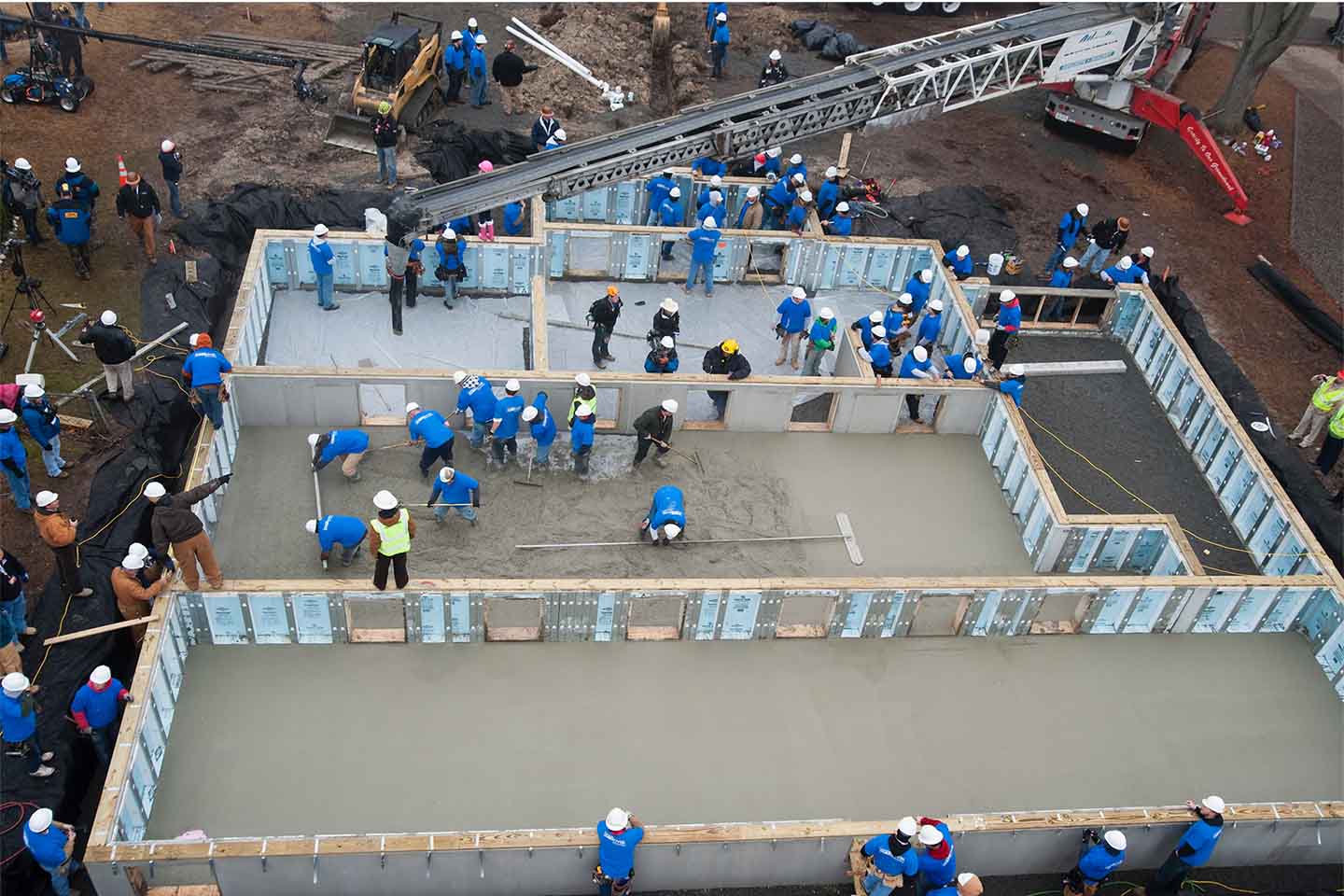
When building a home, one of the most critical decisions you’ll make is choosing the right foundation. The foundation not only supports the structure but also plays a key role in durability, energy efficiency, and long-term maintenance. The best choice depends on factors such as your lot, budget, and local climate. Let’s explore the different foundation options to help you make an informed decision.
Block or Brick Foundations
Block or brick foundations have stood the test of time. These traditional options offer:
- Durability – Strong and long-lasting construction.
- Crawl Space Benefits – Allowing access to plumbing, electrical systems, and better ventilation.
- Elevation Advantage – Helps prevent moisture-related issues in damp areas.
While they require more labor than some alternatives, block or brick foundations provide excellent stability and have a classic appeal.
Precast Concrete Foundations
Precast concrete foundations are a modern alternative that offers several advantages:
- Fast Installation – Pre-made sections are delivered and assembled quickly.
- Superior Insulation – Reduces energy costs by maintaining indoor temperatures.
- Lower Labor Costs – Factory-made components minimize on-site work and potential errors.
For homeowners looking for efficiency and strength, precast concrete is a reliable choice.
Pilings: Ideal for Coastal and Flood-Prone Areas
If you’re building near the coast or in a flood zone, a piling foundation might be the best solution. Benefits include:
- Elevation Protection – Keeps the home above flood levels.
- Wind Resistance – Essential for hurricane-prone areas.
- Adaptability – Works well on sandy or unstable soil.
While pilings require specialized construction, they provide unmatched security in high-risk environments.
On-Grade Slabs: A Cost-Effective Option
On-grade slab foundations are a popular choice for homes built on level lots. Here’s why:
- Lower Cost – Requires less excavation and materials.
- Minimal Maintenance – No crawl space means fewer moisture-related issues.
- Energy Efficiency – Helps retain heat, making it a great choice for warmer climates.
Though they offer affordability and durability, on-grade slabs may not be ideal for flood-prone areas or regions with shifting soil.
Raised Slabs: Better Drainage and Protection
Raised slab foundations provide a middle ground between on-grade slabs and traditional crawl spaces. Benefits include:
- Improved Drainage – Elevation helps prevent water damage.
- Reduced Risk of Pests – Keeping the home slightly raised deters insects and rodents.
- Greater Stability – Works well in areas with occasional heavy rain or minor flooding concerns.
For homeowners in wetter climates, a raised slab can be a smart investment for long-term home integrity.
Making the Right Choice
Choosing the right foundation is essential for the longevity and performance of your home. Factors to consider include:
- Lot Conditions – Soil type, elevation, and drainage needs.
- Local Climate – Risk of flooding, seismic activity, and seasonal weather patterns.
- Budget – Upfront costs vs. long-term maintenance savings.
- Future Plans – Whether you may need crawl space access or flood protection.
Every home is unique, and selecting the best foundation requires careful planning. If you’re unsure which option is right for your home, consulting with a home-building expert can provide valuable insights.
💡 Ready to start your home-building journey? Contact us today for expert guidance on choosing the perfect foundation!